Clapham Business Waste and Rubbish Clearance for Shops
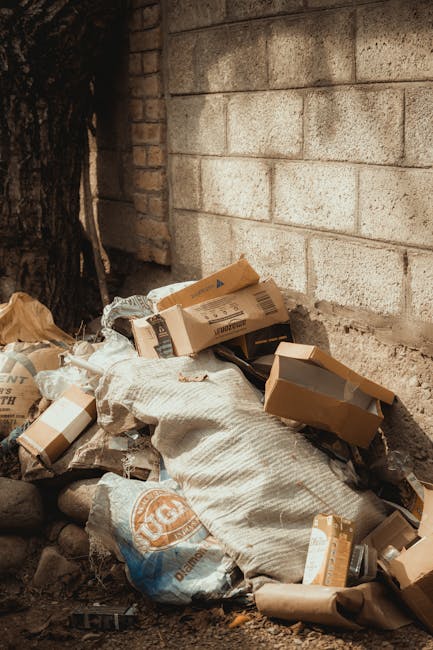
If you run a shop in Clapham, you already know how fast rubbish can build up. Cardboard by the storeroom door, broken display pieces after a refresh, old packaging, tired shelving, and the random bits that seem to appear out of nowhere on a busy Friday afternoon. Clapham Business Waste and Rubbish Clearance for Shops is the straightforward answer when you need that clutter gone without turning the whole place upside down.
This guide explains what shop waste clearance involves, how it works, what to watch out for, and how to keep your retail space clean, safe, and presentable. It also covers practical decisions like when to book, what can be removed, and how to choose the right service for your premises. If you want a shop floor that feels calmer and easier to work in, you're in the right place.
For businesses that also need broader waste support, it can help to understand the wider service options too, including business waste removal and related clearance services that can support retail premises, stockrooms, and commercial units.
Why Clapham Business Waste and Rubbish Clearance for Shops Matters
Retail waste is different from ordinary household clutter. It tends to arrive in bursts, often at awkward times, and it can affect the way your shop feels almost immediately. A pile of broken boxes in the entrance, a dead fridge in the back room, or a stack of old fixtures waiting for removal can make a small shop feel cramped and tired. And in a place like Clapham, where customers often notice details quickly, presentation really does matter.
There's also the practical side. Waste in a shop can create trip hazards, block delivery routes, attract pests, and slow staff down. If your team has to keep stepping around stuff, they are not working at their best. Truth be told, a cluttered stockroom can eat time every single day. Ten seconds here, a minute there, and suddenly the back of house becomes a daily irritation.
Clapham shops often deal with mixed waste streams: cardboard, shop fittings, packaging, old stock, damaged furniture, unwanted displays, and sometimes construction debris after a refit. That mix is one of the reasons a dedicated clearance approach is so useful. It gives you a clean reset rather than a half-solved problem.
Expert summary: good commercial rubbish clearance is not just about removing waste. It is about protecting your shop's presentation, keeping staff safe, and helping day-to-day operations run without friction.
For many shop owners, the big win is mental as much as physical. Once the waste is gone, the space feels easier again. Less noise. Less mess. A bit more breathing room.
How Clapham Business Waste and Rubbish Clearance for Shops Works
Most shop clearances follow a fairly simple process, though the exact details depend on the type and amount of waste. In practice, it usually starts with a conversation about what needs removing, where it is located, and how urgently it needs to go.
From there, a clearance team will usually assess access, volume, weight, and any special handling requirements. A small boutique with a few bags of packaging is obviously very different from a busy convenience store clearing shelves, fridges, and display units. No surprise there. The good news is that the process can usually be shaped around your opening hours, stock movement, and staff availability.
A typical shop waste clearance may include:
- cardboard and packaging removal
- old shop fittings and display units
- damaged furniture or shelving
- back-of-house clutter and stored waste
- bulky items from refits or stock changes
- general commercial rubbish from day-to-day operations
If the clearance involves larger amounts of bulky furniture, it may make sense to look at furniture clearance or furniture disposal depending on the type of items involved. For shops that are also renovating or reworking a unit, builders waste clearance can be relevant too.
Usually, once the booking is confirmed, the team arrives, loads the waste, separates recyclable material where possible, and leaves the area swept through and ready to use again. That last part matters more than people think. A decent clearance job should leave the room usable, not just emptier.
Key Benefits and Practical Advantages
There are some obvious benefits to shop rubbish clearance, but the best ones tend to show up in daily trading rather than on paper. The space feels easier to move through, staff waste less time managing clutter, and customers get a better impression from the moment they walk in.
1. Better presentation
A tidy shop looks more professional. Even if customers never see the back room, they usually feel the effect of a business that is organised and under control.
2. Safer working conditions
Loose packaging, broken fixtures, and stacked rubbish can all create hazards. Clearance reduces the chance of slips, trips, and awkward lifting.
3. Faster stockroom flow
When waste is removed regularly, staff can reach storage areas, stock, and equipment more easily. That can save time every day, not just on clearance day.
4. Easier refits and seasonal changes
Shops often need to rework layouts for promotions, new ranges, or seasonal stock. A clearance service helps you reset quickly rather than dragging the old layout around for weeks.
5. Better recycling outcomes
Retail waste often contains reusable or recyclable material. Using a service with a strong recycling approach can help reduce what ends up as general waste. You can read more about this through recycling and sustainability.
6. Less stress for owners and teams
To be fair, this is a big one. People work better when they're not constantly weaving around rubbish. It sounds small, but it adds up fast.
Who This Is For and When It Makes Sense
This kind of clearance is useful for a wide range of shop types in Clapham. Independent retailers, convenience stores, salons with retail space, charity shops, specialist boutiques, and small chains all run into the same basic problem: waste appears faster than the team can comfortably handle.
You may need shop waste clearance if you are:
- changing displays or refurbishing your premises
- clearing out old stock that cannot be sold
- disposing of damaged packaging or delivery waste
- removing broken shelving, counters, or furniture
- closing a branch or handing back a lease
- dealing with a stockroom that has quietly got out of hand
Sometimes the trigger is obvious, like a refit. Other times it is less dramatic. A shop owner looks up on a Tuesday morning and thinks, "Right, this has become a problem." That's normal. It happens.
If your commercial space includes office space above or behind the shop, an office-focused clearance may also be useful, especially where old paperwork, desks, or mixed back-office furniture need moving. In those cases, office clearance can sit neatly alongside retail waste removal.
For retail businesses with storage-heavy operations, you may also find adjacent services relevant, such as garage clearance for storage rooms or loft clearance where stock is kept above the main unit. Not every shop has a loft, of course, but when they do, it tends to become a very creative storage solution.
Step-by-Step Guidance
If you want the process to be smooth, it helps to think in stages. The best shop clearances are usually the ones that are planned just enough to avoid last-minute chaos.
- Identify what needs removing. Separate general rubbish, cardboard, furniture, fixtures, and anything potentially hazardous.
- Check access routes. Make sure the team can reach the waste safely without disturbing customers or blocking staff movement.
- Group items sensibly. Keep recyclable cardboard apart from mixed waste if possible. It saves time and helps the process move faster.
- Choose the right clearance window. Early morning, after closing, or during quieter trading periods often works best.
- Confirm what is included. Ask whether loading, sweeping, and heavy lifting are part of the job. It sounds obvious, but it avoids awkward surprises.
- Prepare the area. Move small valuables, till records, sensitive paperwork, and anything you do not want touched.
- Arrange payment and paperwork. A clear quote and clear terms help everyone. If you want to understand that side better, see pricing and quotes and terms and conditions.
A small but useful point: if your shop is on a busy road or in a tight parade, tell the clearance team about loading access early. In central and inner London settings, access can be the difference between a smooth job and a frustrating one.
Expert Tips for Better Results
After enough clearances, a few patterns become obvious. The jobs that go best are nearly always the ones where the client has done a tiny bit of prep. Nothing fancy. Just a little structure.
Separate waste by type before the team arrives. Cardboard, general rubbish, metal shelving, and furniture are easier to manage when they are not all mixed together in one awkward corner.
Be honest about volume. Underestimating waste often leads to a second visit. Better to overdescribe than to say "a few bits" and then uncover a mountain behind the stock cages.
Clear a path first. If the team can get to the items safely, the job will usually move faster. It also helps avoid damage to stock or fixtures.
Schedule around trading pressure. If your shop is busiest on Friday afternoon, do not book a clearance for Friday afternoon unless you really enjoy stress. And who does?
Ask about recycling priorities. A provider with a practical recycling approach can often divert a good portion of retail waste away from general disposal streams.
Keep a note of repeat waste patterns. If you find yourself disposing of the same type of waste every month, it may be worth setting up a more regular removal rhythm rather than waiting for the place to clog up again.
Use the clearance as a reset. This is a good moment to rethink storage, stock rotation, or how much packaging comes in through the back door. Small changes can prevent the same mess from reappearing within two weeks.
Common Mistakes to Avoid
One of the most common mistakes is assuming all rubbish is the same. It isn't. A shop clearing cardboard, old furniture, and broken fittings may need different handling for each category. Mixing everything together can create avoidable delays.
Another mistake is waiting too long. By the time waste is spilling into customer areas or blocking stock access, the issue has already started affecting trading. It is easier to deal with a manageable pile than a full-on storage headache.
Other mistakes include:
- not measuring bulky items before booking
- forgetting about basement, mezzanine, or back-room access
- leaving the clearance until after a rushed refit starts
- failing to separate sensitive paperwork from general waste
- choosing a service purely on price without checking what is included
A quieter mistake, but still important, is not asking how waste will be sorted after collection. Shops often care about sustainability, and rightly so. If recycling matters to you, make sure the service matches that expectation.
Tools, Resources and Recommendations
You do not need a complicated setup to manage shop waste better. A few simple tools and habits are often enough.
- Strong boxes and sacks for separating cardboard, soft waste, and mixed rubbish
- Labelled storage areas so staff know where waste should go
- A basic waste log to track what is being thrown out and how often
- Measuring tape for bulky furniture, shelving, and display items
- Clear access routes around stockrooms and back doors
It can also help to review your premises policies from time to time. If your team is handling waste regularly, the health and safety policy and insurance and safety information may be useful reference points for internal procedures and risk awareness.
If you are comparing providers or just trying to understand how the service is structured, the company's about us page can also help build confidence in who you are dealing with. A bit of background goes a long way.
Law, Compliance, Standards, or Best Practice
For commercial premises, waste handling should be taken seriously. The exact duties depend on the waste type and how your business operates, but the general best practice is clear: store waste safely, separate recyclable material where practical, and use a service that understands commercial waste handling.
Retailers should also think about items that may need extra care, such as sharps, food waste, broken glass, electrical items, or anything contaminated. These are not normal "throw it in the van" jobs. They need judgment, and sometimes specialist handling. If you are unsure, pause and ask. That's not overcautious; that's sensible.
Documentation matters too. Clear terms, reliable scheduling, and transparent payment processes all support good business practice. If you want more detail on how a provider handles transactions and information, see payment and security.
A final note on compliance: keep records that make sense for your own business, especially if you have recurring collections or you manage multiple staff members. Even a simple internal record of clearance dates and waste types can make life easier later on.
Options, Methods, or Comparison Table
Shop owners usually have three practical ways to handle rubbish: small-scale internal removal, regular waste collection, or one-off clearance support. Each has its place, but they suit different problems.
| Method | Best for | Strengths | Limitations |
|---|---|---|---|
| Staff-managed waste sorting | Light day-to-day rubbish | Low cost, immediate control | Can become messy, time-consuming, and inconsistent |
| Regular commercial waste collection | Predictable ongoing waste | Stable routine, easier planning | May not suit bulky items or sudden clear-outs |
| One-off shop clearance | Refits, closures, stockroom resets, bulky waste | Fast, flexible, good for mixed loads | Less suitable for tiny, repeatable daily waste alone |
For many shops, the best answer is actually a combination. Regular handling for the everyday stuff, plus a proper clearance service when the big jobs arrive. That way you are not trying to solve a refit with bin bags and optimism.
Case Study or Real-World Example
Picture a small independent clothing shop in Clapham. The owner decides to refresh the layout before a seasonal promotion. The old rail system is being replaced, several shelves are too damaged to reuse, and the stockroom has accumulated cardboard, broken packaging, and a couple of unused display tables.
At first, the team tries to tackle it themselves. They manage a few bags. Then they realise the large items are awkward, the corridor is too narrow, and the shop still needs to open the next day. Classic situation, really.
Instead of stretching the job over a week, they arrange a proper clearance slot after closing. The waste is grouped by type, the bulky items are taken out in one go, and the stockroom is left clear enough for the new layout work to start first thing in the morning. The result is not just a tidier shop. It's a smoother launch, less staff stress, and a far cleaner customer-facing space.
That is the real value here. Not drama. Just relief. Sometimes that is worth more than anything else.
Practical Checklist
Use this checklist before you book or carry out a shop clearance:
- Identify all waste types, including bulky items
- Separate cardboard, general rubbish, and reusable materials
- Check access, parking, and loading space
- Protect stock, cash areas, and sensitive paperwork
- Choose a time that avoids your busiest trading period
- Confirm what the service includes
- Ask how recyclable material is handled
- Review any health and safety concerns in advance
- Keep a note of anything fragile, heavy, or awkward
- Make sure staff know what to move and what to leave alone
If the job feels large or messy, that is usually a good sign to step back and plan it properly rather than improvising on the day.
Conclusion
Clapham Business Waste and Rubbish Clearance for Shops is really about keeping your retail space workable. It helps you clear clutter, protect staff, improve presentation, and respond quickly when stock, fixtures, or packaging build up faster than expected. For shop owners, that can mean less stress and a much better day-to-day rhythm.
The best results come from a little planning, clear communication, and a service that understands commercial realities rather than treating everything like a simple domestic pickup. That makes a difference. A proper clearance should leave you with more room, more order, and a bit more headspace too.
Get a free quote today and see how much you can save.
And if your shop has been feeling a little crowded lately, don't worry. Most clutter looks worse before it gets better.
Frequently Asked Questions
What counts as shop rubbish clearance in Clapham?
It usually includes commercial waste, packaging, cardboard, broken displays, shelving, old furniture, stockroom clutter, and bulky items from refits or closures. The exact scope depends on what your premises needs removed.
Can you clear waste outside business hours?
In many cases, yes. Early morning, evening, and quieter trading times are often preferred for shops because they reduce disruption for customers and staff. The best timing usually depends on access and your opening hours.
Is shop waste clearance the same as regular bin collection?
No. Regular bin collection suits routine waste, while clearance is better for bulky, mixed, or one-off items. If you have old shelving, packaging mountains, or a full stockroom reset, a clearance service is usually the better fit.
What types of items should not be mixed with general rubbish?
Items like electrical equipment, sharp objects, contaminated materials, and certain specialist waste types may need separate handling. If you are unsure, it is safer to pause and ask before putting everything in one pile.
How do I prepare my shop for a clearance visit?
Group the waste, clear access routes, protect stock, and move anything sensitive or valuable out of the way. A little preparation makes the job quicker and reduces the chance of confusion on the day.
Will the clearance team remove furniture and fittings too?
Often, yes. Shop fittings, counters, shelving, and other bulky items are commonly part of commercial clearance work. If they are especially large or heavy, it helps to mention them in advance.
Is recycling part of business waste clearance?
It should be considered wherever practical. Cardboard, metal, and some reusable materials can often be separated from mixed waste. If sustainability matters to your business, ask how sorting is handled.
How do I know if I need one-off clearance or regular waste removal?
If your rubbish builds up steadily and predictably, regular removal may suit you better. If you are dealing with a refit, closure, stock overhaul, or a sudden bulky clearance, a one-off service is usually more appropriate.
Can shop clearance help after a refurbishment?
Yes, very much so. Refurbishments often leave behind packaging, broken fixtures, timber, old displays, and builders' waste. A clearance service can help clear the site so your shop can reopen cleanly and on time.
What should I check before booking a provider?
Check what is included, how access will work, whether heavy lifting is covered, how waste is sorted, and whether the service fits your schedule. It also helps to review pricing and quotes so you understand the structure before confirming.
Do I need to keep records of waste clearance for my shop?
It is a good habit to keep internal records, especially if you have recurring collections or manage multiple staff members. Even a simple note of what was cleared and when can help with business organisation later on.
What if my stockroom has become too cluttered to sort easily?
That happens more often than people admit. Start by separating obvious categories such as cardboard, furniture, and general waste, then arrange a clearance for the rest. Once the space is empty, it becomes much easier to keep under control. Slow and steady beats panic every time.