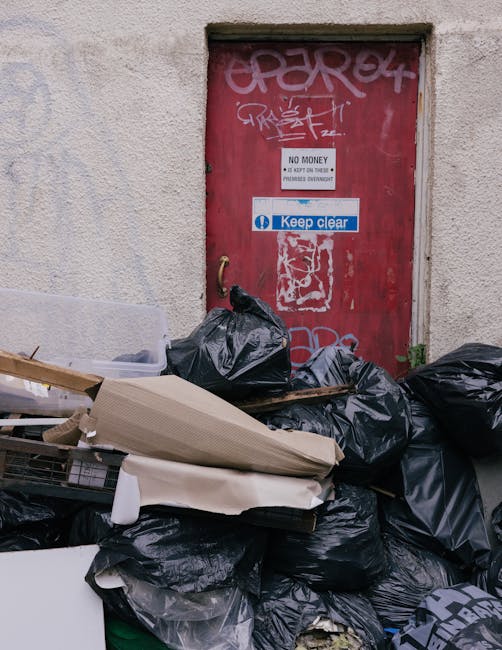
Garden Clearance in Clapham

Garden clearance in Clapham is a practical way to deal with overgrown borders, broken outdoor items, soil and green waste, and the mixed material that often builds up after a project or a long period without upkeep. We provide a clear, structured service for domestic gardens and shared outdoor spaces, with the aim of leaving the area ready for the next stage of use, tidying or replanting. Whether the work involves bulky branches, cuttings, old pots or dismantled timber, the job is organised around careful sorting and responsible removal.
Our garden clearance service is suited to outdoor areas that need more than a quick sweep. We can clear away vegetation, bagged waste, decorative items no longer wanted, and awkward refuse that does not fit normal household disposal. When needed, we also handle related outdoor waste through our waste removal service, so the process can cover both the obvious garden debris and the less tidy mixed materials that often sit alongside it.
For customers comparing options, it helps to think about the type of clearance required rather than just the size of the garden. Some jobs are mainly green waste, while others include fencing offcuts, broken planters, sheds in parts or old furniture left outside. A well-planned clearance keeps reusable material separate where possible and avoids unnecessary disruption to the rest of the property. Clapham gardens can vary from compact courtyards to larger rear spaces, so our approach is adjusted to the layout and access rather than forced into one rigid method.
What our garden clearance service covers
We clear a wide range of outdoor material, including hedge trimmings, branches, leaves, plants, turf, soil in manageable quantities and general garden rubbish. Where there are items mixed into the waste stream, such as cracked ornaments, empty compost bags, worn tools or collapsed storage pieces, those can be handled as part of the same visit. This keeps the work practical for customers who need one organised clearance instead of separate collections for each category of waste.
Our team can also remove larger garden items that are difficult to shift safely without help. That may include old seating, broken parasols, dismantled planters, plant stands, rotting timber and similar outdoor objects that no longer serve a purpose. If a clearance involves material from recent landscaping or cutting back, we can help separate reusable material from waste that needs disposal. For customers who want to restore usable space, this is often the most efficient starting point.
Typical outdoor clearance work may involve:
- green waste such as leaves, branches and hedge cuttings
- garden furniture and other bulky outdoor items
- broken pots, trellis, edging and plant containers
- bagged household waste left in outdoor spaces
- mixed clearance from sheds, patios and side returns
Handling mixed outdoor waste and bulky items
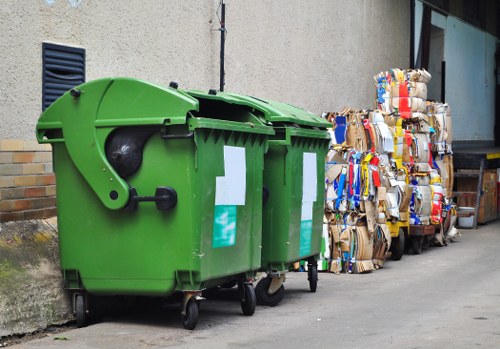
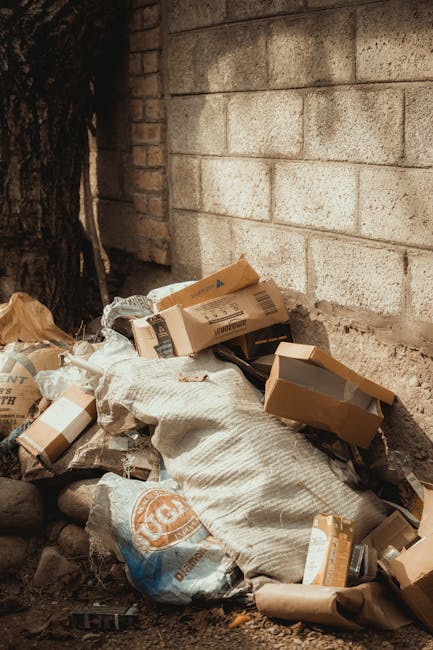
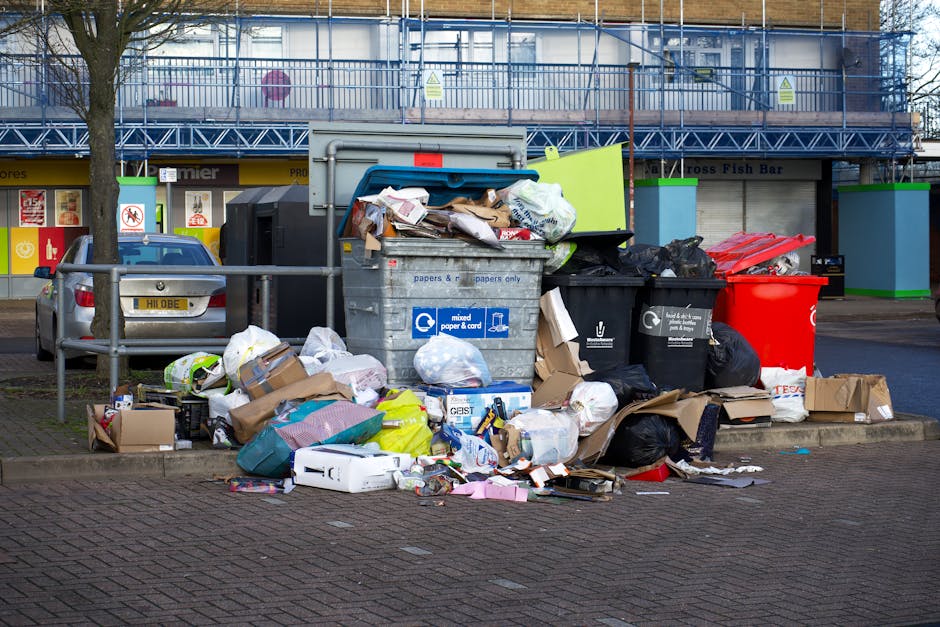
Outdoor clearances rarely consist of one simple material. A border cutback might also reveal broken tools, rusted fixings, bagged soil, packaging, plant supports and damaged furniture stored under cover. We manage that mix in a way that is orderly and sensible, with an emphasis on sorting what can be separated and removing the rest without leaving extra mess behind. This is particularly helpful where the space has become hard to use because items have been layered over time.
Some customers only need a straightforward green clearance, while others want a broader tidy-up that includes a patio, pathway or side return. We can remove loose material from these areas and deal with bulky objects that are too awkward for standard household bins. If the garden contains heavy timber or tangled waste, the job is planned so the loading sequence is safe and efficient. For many properties, this means the clearance can move from the most obstructive items to the finer debris in one practical visit.
Recycling and sustainability is an important consideration for outdoor waste because garden clearances often contain a mixture of organic matter and manufactured items. Where material can be separated for a more responsible route, we work with that in mind. When the clearance includes fittings or fixtures from a more extensive project, our builders waste clearance page is also relevant for customers dealing with heavier renovation debris as part of the same overall tidy-up.
Planning a clearance around access and layout
Garden access can affect how the work is carried out, especially in terraced streets, mews-style properties and homes with narrow side paths. We take the layout into account before the clearance begins, because a route through the property may be more suitable than taking waste through a living space. Clear access helps the work progress smoothly, but awkward access does not automatically make a job unsuitable; it simply means the removal plan needs to be sensible and safe.
It is often useful to think ahead about any items you would like kept aside before the clearance starts. A few minutes spent separating pots, personal belongings or plants you want to retain can make the process more efficient. If there are particularly heavy, damp or embedded items, telling us in advance helps the work be organised properly. That is especially relevant for soil, broken sleepers, old raised beds and anything that may need extra care to move without causing damage.
Pricing and quotes gives a useful starting point for customers who want to understand how the scope of a clearance can affect the estimate. For a practical first step, keep the question simple: what needs to go, what should stay, and how much of the garden is affected? If you are ready to talk through the job, contact us for a quotation.
Garden clearances for different outdoor spaces

Not every garden clearance looks the same. A compact courtyard may have bags of clippings, broken pots and a few larger items, while a longer rear garden could involve thick vegetation, compost heaps, old timber and neglected corners. We adapt the work to the layout and the amount of material, so the clearance is proportionate to the space rather than overcomplicated. This is useful for homeowners, landlords and people preparing an outdoor area for renewed use.
Shared outdoor spaces also benefit from a clear, calm approach. In communal gardens or shared access areas, the job may need to be staged so the work remains tidy and does not obstruct neighbours for longer than necessary. We can deal with the waste itself and the practical aftermath, such as loose material caught in corners or items that have been left against walls and fences. The aim is always to leave the site more usable and easier to manage than before.
If your project also involves indoor contents alongside the garden, a home clearance may suit a broader property tidy-up. Where the outdoor area is connected to a garage or outbuilding, a garage clearance can help deal with stored items that have overflowed into the garden. Those related pages are useful when the job extends beyond one exterior space.
Sorting, reuse and responsible disposal
Responsible disposal starts with sorting. Garden waste is often straightforward, but a clearance can still include a mixture of organic material, metals, plastics, timber and general rubbish. We aim to keep those streams as orderly as possible so that reusable or recyclable material is not mixed unnecessarily with waste that has a different route. This matters even in small clearances, because the way items are separated affects how efficiently the work can be handled.
Customers sometimes ask whether damaged outdoor items can be taken away alongside the green waste. In many cases, the answer is yes, provided the items are safe to remove and fit the agreed scope of work. Old garden chairs, parasols, storage pieces, plant supports and collapsed decorative features are all examples of items that may be collected during a wider clearance. Where items are especially heavy, awkward or dirty, it helps to mention them at the quoting stage so the right approach can be planned from the start.
For people who are comparing services across a property, our furniture clearance page is relevant if outdoor spaces contain indoor-style seating or stored household pieces. The same applies to customers whose project includes a loft, shed or office overflow, because mixed household items may need more than one service category. Clearer categorisation makes the quotation more accurate and the removal more efficient.
When a garden needs more than a simple tidy-up
Some outdoor spaces only need a basic clear-out, while others have become heavily cluttered or overgrown. In those cases, the work may involve cutting back, lifting loose waste, removing broken structures and collecting material that has accumulated in layers. A more involved clearance does not need to be stressful; it simply needs a methodical plan that addresses the most obstructive material first and then moves through the smaller debris until the area is manageable again.
Where sheds, lean-tos or storage corners are involved, it is often better to consider the garden as part of a broader clearing task rather than treating it as isolated waste. This can include unwanted pots, fragments of timber, old bags, unused equipment and items that have spent so long outdoors that they are no longer fit for use. The key is to be realistic about the volume and the nature of what is there, rather than underestimating the effort required.
Flat clearance can be relevant if the property has upstairs access or a smaller indoor footprint that still feeds into the garden. If the outdoor area is attached to a larger domestic clearance, the house clearance service may be the better match for a full-property project. These pages sit alongside the garden work rather than replacing it, depending on what needs to be removed.
About Clapham

Clapham is a district in south London associated with a mix of residential streets, transport connections and open green space. One of its best-known features is Clapham Common, a large expanse of public parkland that has long shaped the character of the area. The Common includes ponds, open lawns and tree-lined routes, and it remains a major point of leisure, walking and informal sport. Around it, the streets show a varied urban landscape that includes terraces, mansion blocks and local shops, reflecting the area’s long development from village settlement into a busy London neighbourhood. Clapham Old Town preserves a more historic village feel, with a cluster of older buildings and a recognisable centre around the high street and common. The wider district is also marked by rail and Underground links that connect it closely to central London and neighbouring parts of the south-west. Battersea Rise, Northcote Road and the roads leading towards Clapham South and Clapham North each add their own urban texture, while the area’s parks and squares contribute to a setting that combines city density with green breathing space. Cultural life in Clapham is shaped by cafés, local venues, churches and community organisations, alongside everyday residential use. This makes it a place with both movement and continuity, where historic references and modern living sit side by side in a compact part of the capital.
Domestic and landlord-focused clearance work
Garden clearance is often needed by homeowners, but it can also be useful for landlords, managing agents and anyone preparing a property between occupiers. Outdoor spaces are sometimes left with accumulated waste, snapped fittings or overgrown areas that need attention before the next stage of use. A careful clearance can make the garden easier to inspect, measure or improve, and it can also reveal whether there are hidden issues beneath the clutter that need further attention.
We can help with clearances that are mainly about restoring order rather than changing the garden itself. That might include removing waste after a tenant move-out, clearing an unused rear space or taking away items stored outdoors that no longer belong there. If the site involves both the garden and the interior, it can be sensible to plan a combined approach so the removal process is not duplicated. The goal is practical progress, not unnecessary disruption.
Office clearance is included here as a related option only where the project involves mixed premises with non-domestic contents. For straightforward domestic outdoor work, the garden service remains the main focus. If you want to compare how the different pages relate before deciding, a brief look at our about us page can provide additional context about the range of services available.
Getting a quotation for garden clearance

A quotation is usually easiest to prepare when the scope is defined clearly. The most useful details are the type of material, the approximate amount, whether the waste is easy to access and whether any bulky items need special handling. Photographs can help, but they are not the only way to describe a job; a concise written summary can work well too. If the clearance includes different parts of the property, it is worth mentioning them together so the estimate reflects the whole task.
We also find it helpful to know whether the work should focus on removal alone or on a fuller tidy-up that includes separating material and leaving the area ready for the next step. There is no need to overcomplicate the request. A simple explanation of what needs to be cleared, plus any access notes, is often enough to start. If you want to make progress now, you can request a quotation using the contact details on the site and we will take it from there.
For customers who are comparing related services, our furniture disposal page is useful where garden waste includes broken outdoor seating or household items that have moved outside. If the job involves a more general domestic or commercial waste mix, the business waste removal page may be relevant as well. The final step is simple: send the details through, and we will help you choose the right clearance route.