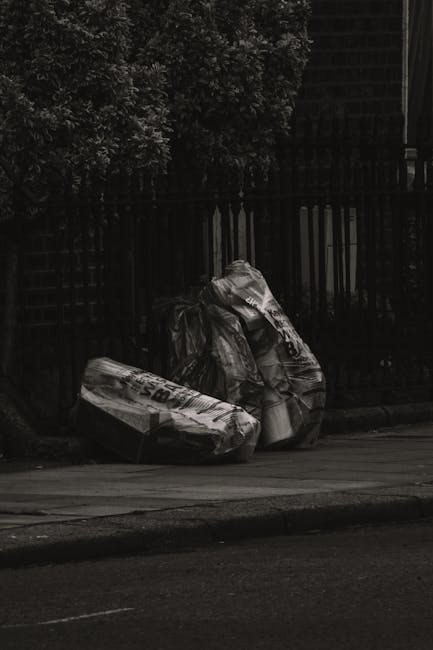
Clapham North End of Tenancy Rubbish Removal Tips
Moving out in Clapham North can feel oddly chaotic. One minute you are staring at a nearly empty flat, the next you are noticing the broken chair in the hallway, the bag of old odds and ends in the cupboard, and the stack of packaging you meant to deal with weeks ago. That is exactly where Clapham North End of Tenancy Rubbish Removal Tips become useful: they help you leave the property tidy, reduce the chance of deductions, and make the final handover far less stressful.
Truth be told, end of tenancy rubbish removal is not glamorous work. But it matters. A lot. Whether you are a tenant trying to get your deposit back, a landlord preparing for new occupants, or a letting agent trying to keep a turnaround on schedule, the small details count. In this guide, you will find practical, local-minded advice on sorting waste, avoiding common mistakes, and deciding when a professional clearance service is the simplest route.
Table of Contents
- Why Clapham North End of Tenancy Rubbish Removal Tips Matters
- How Clapham North End of Tenancy Rubbish Removal Tips Works
- Key Benefits and Practical Advantages
- Who This Is For and When It Makes Sense
- Step-by-Step Guidance
- Expert Tips for Better Results
- Common Mistakes to Avoid
- Tools, Resources and Recommendations
- Law, Compliance, Standards, or Best Practice
- Options, Methods, or Comparison Table
- Case Study or Real-World Example
- Practical Checklist
- Conclusion
- Frequently Asked Questions
Why Clapham North End of Tenancy Rubbish Removal Tips Matters
End of tenancy clean-outs are about more than making a place look presentable. They are about removing the clutter and waste that can slow down inspections, trigger extra cleaning charges, or simply make a property feel unfinished. In a busy London area like Clapham North, where flats often have limited storage, narrow stairwells, and tight timeframes between tenancies, rubbish can build up fast.
Think of the usual move-out mess: torn bags, damaged furnishings, old bedding, unwanted kitchenware, dismantled shelves, and the mysterious single box that somehow survives every house move. If this is left behind, it can create problems for everyone involved. For tenants, it may mean avoiding a clean break. For landlords, it can delay the next letting. For agents, it can mean extra coordination on a day when time is already tight.
There is also a practical side. Waste left in communal hallways or outside the wrong time can upset neighbours and, frankly, make a very ordinary move seem much worse than it needs to be. A bit of planning saves a lot of faff later. And yes, that includes the items you were "definitely going to deal with tomorrow".
If your move-out includes bulky items or a fuller property clearance, it can help to understand related services too, such as flat clearance, home clearance, or furniture disposal. Those services are often more suitable than trying to shift everything in a few bin bags.
How Clapham North End of Tenancy Rubbish Removal Tips Works
The process is straightforward when you break it into stages. First, identify everything that must go: general rubbish, recyclable material, broken items, bulky furniture, old appliances, and anything left in cupboards, loft spaces, or storage nooks. Then sort it into categories so you know what can be reused, recycled, or removed as waste.
Next, check your timing. End of tenancy rubbish removal works best when it is done before the final clean and well before the checkout inspection. If you leave it until the last afternoon, things get messy quickly. A hallway full of bags, a parked removal van you cannot unload yet, and a forgotten mattress leaning in the corner is not the mood you want on moving day.
In most cases, the easiest approach is to separate the job into three parts:
- Small waste: bin bags, packaging, loose household rubbish, old paperwork, and general clutter.
- Bulky items: furniture, wardrobes, desks, mattresses, white goods, and awkward items that do not fit normal bins.
- Special consideration items: anything needing extra care, such as electrical items, sharp waste, or mixed materials.
If you are handling a larger move-out, a dedicated rubbish collection or broader waste removal service may be more practical than piecemeal trips to different disposal points. That is especially true if you are trying to clear a property in one day and the lifts are small, the parking is awkward, and the clock is not being kind.
Key Benefits and Practical Advantages
The big benefit is peace of mind. Once the rubbish is out, the property immediately feels more manageable. The remaining cleaning becomes clearer, the rooms look larger, and the final inspection is less likely to catch you out on avoidable leftovers.
Here are the main advantages people usually notice:
- Better deposit prospects: leaving rubbish behind can lead to avoidable deductions or disputes.
- Faster turnaround: landlords and agents can prepare the property for the next tenancy without delay.
- Less stress on moving day: fewer items to juggle means fewer last-minute problems.
- Improved presentation: an empty, tidy property is easier to deep clean and inspect.
- Safer spaces: less clutter reduces trip hazards and blocked walkways.
There is also a less obvious benefit: you can make better decisions under pressure when the property is clear. When everything is piled together, it is hard to tell what is actually rubbish and what is worth keeping, donating, or reselling. A bit of space changes the whole job.
Expert summary: If the move-out pile includes more than a few bin bags, or if bulky furniture is involved, think beyond "just taking it down later". The longer waste sits in the property, the more likely it is to create pressure, disruption, and cost.
For larger clearances, some readers also look at the broader picture through services such as furniture clearance or even a full house clearance if the move involves more than one room's worth of belongings.
Who This Is For and When It Makes Sense
This advice is useful for tenants, landlords, letting agents, and even homeowners in transition. It is especially relevant if you are moving from a flat, shared house, or furnished rental where there may be more accumulated waste than you first expected. Clapham North properties can be compact, and compact spaces have a knack for hiding rubbish in plain sight.
You will likely benefit from these tips if:
- you need to hand the property back on a fixed date;
- you are trying to avoid end of tenancy deductions;
- you have bulky or awkward items to remove;
- you are managing a fast turnaround between tenants;
- you want the place cleaned and presented properly for inspection.
It also makes sense when the waste is mixed. For example, a flat move might include furniture, cardboard, broken kitchen items, clothes, and some renovation leftovers from a DIY weekend that got a bit out of hand. Not every job is a simple bin-sack job, to be fair.
Landlords may also find this useful when dealing with abandoned contents after a tenancy ends. In those cases, a methodical approach is important, because not every item should be treated the same way. And if a property is part-office, part-home, or used for remote work, you may even find overlap with office clearance or business waste removal where the contents are more mixed than expected.
Step-by-Step Guidance
If you want the job done properly, follow a simple sequence. Nothing fancy. Just a structured approach that keeps you moving.
1. Walk the property room by room
Start with a slow sweep through every room, cupboard, loft hatch, utility corner, and under-bed space. Use your phone torch if needed. You would be surprised how often something is missed behind a radiator or on top of a wardrobe. That last-minute discovery is almost always annoying.
2. Separate items into clear groups
Create four piles: keep, donate/resell, recycle, and dispose. This avoids the usual "I'll sort it later" trap. If you are moving out in a hurry, at least make sure the disposal pile is truly waste and not a useful item that simply looks tired.
3. Identify bulky or heavy waste early
Anything large should be flagged straight away. Sofas, wardrobes, mattresses, broken tables, office chairs, and appliances often require more effort than people expect. If dismantling is needed, do it before the final clean so screws, fixings, and sharp edges are not left to chance.
4. Use the right bags and containers
Strong rubble sacks or heavy-duty bin bags are worth it. Flimsy bags split at the worst possible moment, usually on stairs or at the front door, and nobody wants to be chasing teabags and packaging down the pavement. Keep sharp items wrapped securely.
5. Book removal at the right time
Schedule rubbish removal before the inventory inspection if possible. If you are using a professional service, make sure access is clear, parking arrangements are thought through, and the team knows about any stairs, lifts, or loading restrictions. In Clapham North, those practical details matter more than people think.
6. Do a final sweep
Once the waste is gone, check skirting boards, cupboards, balcony areas, and behind doors. The "final sweep" is where the hidden leftovers are usually found. There is always one drawer. Always.
Expert Tips for Better Results
After enough move-outs, a few habits separate a smooth clearance from a stressful one. These are the small things that make a surprisingly big difference.
- Start with the bulk, not the bags. Once the large items are removed, the rest of the job feels much lighter.
- Label anything questionable. If you are sharing a flat, write names or room numbers on items so nobody accidentally disposes of something important.
- Keep recycling separate where possible. Cardboard, paper, metal, and clean plastic are easier to manage if they are not mixed with general rubbish.
- Take photos before and after. Not for drama. Just for evidence, especially if you need to show the property was left clean and clear.
- Check access in advance. Narrow staircases, controlled parking, and lift access can add time if they are not planned for.
One small but helpful trick: put a "not rubbish" box aside early on. If you are tired, it is far too easy to throw documents, chargers, or kitchen items into the wrong pile. Late afternoon brain is not the most reliable sorting tool, let's be honest.
If you are dealing with a property that includes left-over furniture, it can also help to review furniture clearance and furniture disposal options before you lift a thing. That way, you are not trying to work out logistics while standing in the doorway with a wardrobe half on its side.
Common Mistakes to Avoid
The most common mistakes are simple, which is why they catch people out. They are not dramatic errors. Just the kind that create avoidable hassle at the worst time.
- Leaving waste until the final morning. This is the classic one. It turns a planned move into a rushed scramble.
- Assuming everything fits in normal bins. Bulky or mixed waste often needs a proper removal plan.
- Forgetting storage spaces. Cupboards, lofts, under-sink units, and balcony corners are easily missed.
- Mixing recyclables with general rubbish. It is messier, less efficient, and harder to sort later.
- Blocking communal areas. This can cause friction with neighbours or building management.
- Not checking tenancy obligations. If your agreement requires the property to be left clear, that should guide your timing.
Another mistake is underestimating volume. A few bags can suddenly become a van load once you separate everything properly. That is normal, by the way. It does not mean you have failed. It just means your flat has been quietly collecting life for longer than you realised.
Tools, Resources and Recommendations
You do not need a huge toolkit, but a few items make the process safer and faster.
| Tool or Resource | Why It Helps | Best Use |
|---|---|---|
| Heavy-duty bin bags | Reduce tearing and leaking | General rubbish and lightweight mixed waste |
| Work gloves | Protect hands from sharp edges and grime | All handling tasks |
| Packing tape and marker | Helps label boxes and keep items together | Sorting and staging |
| Hand trolley or sack truck | Makes heavy lifting easier | Bulky items and boxed waste |
| Dust sheets or old blankets | Protects floors and walls | Narrow hallways and stairwells |
For many people, the smartest recommendation is simple: use a removal team when the waste is bulky, mixed, or time-sensitive. That is especially true if you are juggling cleaning, key handover, and moving vans all on the same day. No one enjoys that circus.
Helpful related pages for planning include pricing and quotes, recycling and sustainability, and insurance and safety. They are worth checking when you want the job done responsibly and with fewer surprises.
Law, Compliance, Standards, or Best Practice
End of tenancy rubbish removal sits in a practical space where legal, contractual, and best-practice considerations overlap. You do not need to become a waste-law expert, but you do need to be careful.
In the UK, householders and tenants are generally expected to dispose of waste responsibly and avoid fly-tipping or leaving items in unsuitable places. If you are using a contractor, it is sensible to choose a provider that handles waste properly, keeps good records, and follows appropriate safety and environmental practices. If that sounds dry, it is, a little. But it matters.
Best practice usually means:
- sorting waste before collection where possible;
- keeping hazardous or awkward items separate;
- not blocking communal access routes;
- checking the tenancy agreement for clearance responsibilities;
- using a provider with sensible safety and recycling practices.
For landlords and letting agents, there is also the basic operational standard of leaving the property ready for the next stage. That means clear, safe, and not full of leftover clutter from the previous occupant. Simple enough, but often missed when the schedule is tight.
If you want a broader service overview, it can help to look at health and safety policy, terms and conditions, and about us to understand how a professional waste removal company approaches the job.
Options, Methods, or Comparison Table
There is more than one way to handle end of tenancy rubbish. The best method depends on volume, time, access, and how much lifting you want to do yourself.
| Method | Best For | Pros | Watch Out For |
|---|---|---|---|
| DIY bin-by-bin removal | Very small amounts of waste | Low cost, simple | Time-consuming, limited capacity |
| Multiple trips to disposal points | Moderate waste with a vehicle available | Flexible, controlled | Parking, fuel, effort, time |
| Professional rubbish removal | Bulky, mixed, or urgent clearance | Fast, convenient, less lifting | Higher upfront cost |
| Full property clearance | Large move-outs or abandoned contents | Comprehensive, efficient | May be more than you need for a small flat |
In practice, the best option is usually the one that saves the most stress without creating new headaches. If you are doing a one-bedroom flat with a few bags and one chair, DIY might be enough. If the place contains a sofa, a bed base, boxes of mixed clutter, and a half-dismantled desk, a more complete service is often the cleaner choice.
Case Study or Real-World Example
Imagine a tenant leaving a two-bedroom flat near Clapham North after a three-year tenancy. The flat is mostly empty, but there is still a surprising amount left: an old coffee table, a broken bookcase, two bags of kitchen waste, several cardboard boxes, and a pile of things in the hallway that were "temporarily" stored there three months ago.
Instead of trying to deal with everything on the final afternoon, the tenant starts four days earlier. They sort the items room by room, separate a few useful bits for donation, and book a removal slot once the bulky furniture is identified. On the day, the space is clearer, the cleaner can work properly, and the final inspection is calm rather than frantic.
That is the real value of good preparation. Not perfection. Just less chaos. And in moving situations, less chaos is a win.
The same approach often works for landlords too. If a property has been left with mixed contents after a tenancy ends, a broader service like flat clearance or house clearance can simplify the turnaround and keep the next steps moving.
Practical Checklist
Use this as a final pre-handover check. It is simple, but it catches a lot.
- All rooms have been checked, including cupboards, lofts, and under furniture.
- General rubbish is bagged securely and ready for collection.
- Bulky items have been identified and arranged for removal.
- Recyclable items are separated where possible.
- Sharp or awkward waste is wrapped safely.
- Communal areas are kept clear.
- Parking and access arrangements are confirmed.
- The property has been swept or vacuumed after waste removal.
- Final photos have been taken for your records.
- Keys, handover details, and inspection timing are all confirmed.
Quick reminder: if you think a room is empty, check it again. Closets have a habit of hiding a final surprise. Not a lovely one either.
Conclusion
Good end of tenancy rubbish removal is mostly about timing, sorting, and keeping things simple. If you tackle the clutter early, separate bulky items from general waste, and choose the right removal method for the size of the job, the whole move becomes easier. That is especially true in Clapham North, where tight spaces and tight schedules can make even a small pile of rubbish feel bigger than it is.
The smartest approach is to treat waste removal as part of the move, not an afterthought. A bit of planning now can save stress, protect your deposit position, and make the final handover feel polished instead of rushed. And honestly, that last calm look around an empty, tidy flat? Very satisfying.
If you are unsure where to start, compare your waste volume, your timeframe, and your access conditions. Then choose the method that gives you the cleanest finish with the least hassle. Simple as that.
Get a free quote today and see how much you can save.
Frequently Asked Questions
What counts as end of tenancy rubbish?
It usually includes anything the tenant leaves behind that is not part of the property inventory, such as bin bags, cardboard, broken furniture, old kitchen items, or unwanted personal belongings.
Should I remove rubbish before the final clean?
Yes. Clearing waste first makes cleaning much easier and gives you a clearer view of what still needs attention. It also helps avoid last-minute delays.
Can I leave rubbish in communal bins or outside the building?
Only if it is allowed and you are sure the waste fits properly. Leaving items in shared areas or beside bins can cause issues with neighbours, building managers, or the final inspection.
What if I only have a few bags of rubbish?
If the amount is genuinely small, you may be able to handle it yourself. Just make sure it is bagged securely and removed in line with the property's waste arrangements.
How do I handle bulky items like sofas or mattresses?
Bulky items are usually best dealt with separately from general rubbish. If you are unsure how to move them safely, a professional removal service is often the easiest option.
Is professional rubbish removal worth it for a flat move-out?
Often yes, especially if you have limited time, awkward access, or several bulky items. It can save a lot of lifting, vehicle trips, and general stress.
What should I check in my tenancy agreement?
Look for any clauses about leaving the property clean, empty, and free of rubbish. The agreement may also mention whether items left behind can be charged to you.
How early should I book rubbish removal?
As early as you can once you know your moving date and approximate waste volume. Early booking helps avoid the scramble that often happens in the last couple of days.
Do I need to sort recycling separately?
It is not always required for every item, but separating recyclables where practical is a sensible habit and can make the process cleaner and more efficient.
What happens if I forget something after the handover?
It depends on the landlord or agent and the item involved. In the worst case, it may be treated as leftover waste, so it is worth doing a careful final sweep before you leave.
Where can I find more information about safe disposal and pricing?
You can look at the company's recycling and sustainability page and pricing and quotes information to understand how the service is approached and what to expect.
Is this advice useful for landlords too?
Yes. Landlords and agents often need the same practical steps when clearing left-behind items between tenancies, especially in flats where access and timing matter.
When you strip it back, this is about making a move feel manageable. One room at a time, one bag at a time, and then finally, a clear floor and a clean exit. That part always feels good.