Clapham Households What to Know About Lambeth Rubbish Rules
If you live in Clapham, rubbish collection can feel simple right up until it suddenly isn't. One week everything goes out neatly; the next, you have a broken wardrobe by the hallway, a missed collection, or a pile of garden cuttings that will not fit in the usual bin. That is where Clapham Households What to Know About Lambeth Rubbish Rules becomes genuinely useful. The point is not just to avoid a messy pavement. It is to keep your home tidy, stay on the right side of local expectations, and choose the most practical way to deal with waste without wasting time or money.
This guide walks through the everyday realities: what the rules generally mean for households, how different waste types are usually handled, where people get caught out, and how to plan disposal properly. It also looks at when a professional service may make life easier, especially for bigger clear-outs such as a house clearance, flat clearance, or garden clearance. Nothing fancy. Just clear, practical advice that helps you sort the clutter without the usual faff.
To be fair, most rubbish problems are not dramatic. They are the small, repeated ones: putting the wrong thing in the wrong bin, leaving bags beside a full container, or assuming bulky items can go out like normal waste. That is why a little local know-how goes a long way.
Practical takeaway: If you understand what belongs in general waste, recycling, food waste, garden waste, and special disposal streams, you will avoid most collection problems before they start.
Table of Contents
- Why Clapham Households What to Know About Lambeth Rubbish Rules Matters
- How Clapham Households What to Know About Lambeth Rubbish Rules Works
- Key Benefits and Practical Advantages
- Who This Is For and When It Makes Sense
- Step-by-Step Guidance
- Expert Tips for Better Results
- Common Mistakes to Avoid
- Tools, Resources and Recommendations
- Law, Compliance, Standards, or Best Practice
- Options, Methods, or Comparison Table
- Case Study or Real-World Example
- Practical Checklist
- Conclusion
- Frequently Asked Questions
Why Clapham Households What to Know About Lambeth Rubbish Rules Matters
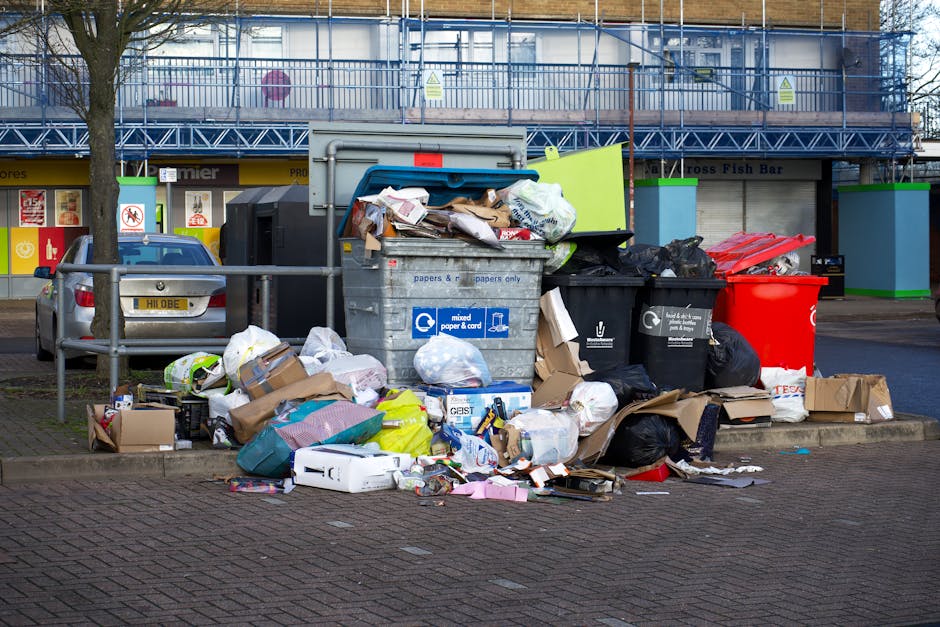
Rubbish rules matter because waste is one of those everyday things that quickly spills into bigger problems if you ignore it. Missed collections can create smells in warm weather, attract pests, and clutter shared entrances. In a busy area like Clapham, where lots of homes are in terraces, converted flats, and shared buildings, one household's waste habits can affect everyone else.
It also matters because councils and building managers tend to be stricter where space is tight. A bag left in the wrong place can block a hallway, upset neighbours, or simply sit there until it becomes someone else's annoyance. You know how it is. Nobody wants to be the person everyone quietly blames for the overflowing bin store.
For households, getting rubbish disposal right has three everyday benefits. First, it keeps your home calmer and cleaner. Second, it reduces the chance of disposal fees, extra trips, or avoidable collection issues. Third, it helps you separate normal household rubbish from items that need special handling, such as fridges, mattresses, paint, or broken furniture.
There is another side to this too. Good rubbish habits are often the difference between a quick clear-out and a drawn-out weekend job. If you are planning a spring reset, a move, or a post-renovation tidy-up, knowing the local expectations early saves a lot of backtracking later.
And in a place like Clapham, where people often live in compact homes with limited storage, the margin for error is small. One awkward sofa in the hallway and suddenly the whole project feels larger than it should. Not ideal.
How Clapham Households What to Know About Lambeth Rubbish Rules Works
At a household level, rubbish rules usually come down to a simple idea: sort waste properly, present it correctly, and dispose of larger or unusual items by the right method. That sounds straightforward, but the practical details matter.
1. General household waste
This is the everyday rubbish that cannot be reused or recycled in another stream. Think food wrappers, heavily soiled packaging, broken household bits, and similar items. The key is not to treat general waste as a catch-all for everything. If something can be recycled or requires special disposal, it should not end up here.
2. Recycling
Dry recyclables usually include paper, cardboard, cans, some plastics, and glass, depending on what your local arrangements allow. The important thing is to keep them clean enough and separated sensibly. A pizza box with grease all over it, for example, usually causes more trouble than people expect. One greasy corner can ruin the lot. Annoying, but true.
3. Food and garden waste
Food waste and green waste often have their own rules. Garden clippings, leaves, and small branches can often be handled differently from mixed household rubbish, while food waste should not be bundled into general waste if there is a separate arrangement. If you have been trimming hedges in the drizzle and the bags smell a bit earthy by the next morning, that is a sign you want the right stream, not the main bin.
4. Bulky and awkward items
Large furniture, mattresses, appliances, and construction leftovers usually need separate disposal. This is where many households get stuck. A cupboard that looked manageable in the corner becomes a full logistics exercise once you reach the stairs. For those moments, a dedicated service such as furniture disposal or waste removal may be the more sensible route.
5. Special or hazardous items
Some things should never go out with ordinary household rubbish. Paint, chemicals, batteries, electrical items, and certain renovation materials need more care. You do not want to guess with these. If in doubt, treat them separately and check the accepted disposal route before moving on.
The practical flow is usually this: identify the waste type, separate it, check what can be collected routinely, and then decide whether a specialist clearance, recycling route, or hired removal service is better. Simple in theory. Slightly more annoying in a real kitchen on a Sunday evening, naturally.
Key Benefits and Practical Advantages
Knowing the local rubbish rules is not only about compliance. It makes everyday life smoother.
- Less clutter at home: Waste is dealt with faster, so bins do not become a permanent feature of the hallway or garden path.
- Fewer missed opportunities to recycle: Proper sorting means more material goes where it should, instead of being bunched together.
- Less stress during a move or renovation: If you are clearing a loft, garage, or spare room, the disposal plan is already half the battle.
- Better shared-living harmony: In flats and terraces, tidy waste habits reduce friction with neighbours and managing agents.
- Safer spaces: No loose glass, sharp timber, or heavy items left where someone could trip over them.
There is also a time benefit people underestimate. Once you stop making repeated trips to the wrong bin or waiting to "deal with it later", the whole household feels easier to manage. That might sound small, but small domestic wins add up. Especially in London, where a simple task can somehow become a half-day expedition if you let it.
If you are dealing with a bigger domestic project, it may be worth looking at services designed for the job, such as home clearance for broad household sorting or loft clearance when the forgotten boxes and odd bits have taken over upstairs storage.
Who This Is For and When It Makes Sense
This guide is useful for more than one kind of household. If you live in Clapham and any of the following sound familiar, you are in the right place.
- Families managing high volumes of everyday waste and trying to keep bins under control.
- Flat residents who have to work around shared bin areas, restricted storage, and collection timing.
- People preparing to move who need to clear years of accumulated stuff quickly and responsibly.
- Homeowners doing DIY or decorating who end up with offcuts, packaging, and broken fixtures.
- Garden owners dealing with hedge trimmings, soil, old pots, and seasonal clear-outs.
- Anyone with bulky items that simply will not fit normal collection arrangements.
It also makes sense if you have a limited amount of time and cannot keep checking collection details every week. Plenty of people are busy, and honestly, waste management is rarely the most exciting item on a to-do list. It does, however, become exciting very fast if the bin is full and the kitchen smells weird.
If the problem is bigger than routine household rubbish, you may want a more structured service. A garage clearance helps with bulky stored items, while house clearance is useful where the volume is simply too large for a standard collection approach.
Step-by-Step Guidance
If you want to handle rubbish properly without overthinking it, use a simple process like this.
- Sort the waste by type. Separate general waste, dry recycling, food waste, garden waste, and anything special such as electronics or renovation materials.
- Identify bulky items early. If it is too large for the bin or awkward to carry, do not wait until collection day to realise it needs another plan.
- Check what can be left out and how. Bags, containers, and timing matter. In shared buildings, where you place items is often just as important as what they are.
- Break down items where possible. Flatten cardboard, dismantle furniture safely, and bundle loose pieces so they can be moved without hassle.
- Keep hazardous or special items separate. Do not mix batteries, chemicals, paint, or broken electrical goods with ordinary rubbish.
- Choose the right disposal method. Use routine collection for standard household waste, and consider a specialist service for bulky or mixed loads.
- Leave the area tidy. Once the rubbish is removed, sweep up the small bits. It makes a bigger difference than people expect.
If you are clearing a home room by room, start with one space and finish it properly before moving on. Half-finished sorting has a strange habit of spreading into every other room. One box becomes three. Then the stair landing starts looking like a storage unit, and nobody wants that.
A sensible order for bigger clear-outs
- Loft or attic first, because it often contains the oldest and dustiest items.
- Garage or storage area next, where bulky things tend to stack up.
- Living areas and bedrooms after that, because they are easiest to see and hardest to ignore.
- Garden and outside spaces last, especially if weather or access makes them slower.
For bigger jobs, combining the right clearances can be efficient. For example, a property refresh might involve furniture clearance alongside a general home clearance. That way, you do not end up moving the same heavy item twice. Nobody needs that sort of extra workout.
Expert Tips for Better Results
These are the small habits that make a noticeable difference.
- Keep one "decision" area: Use a corner, box, or bag for items that need checking before disposal. It prevents uncertainty from stalling the whole job.
- Do the awkward waste first: Broken chairs, old electronics, and mixed items tend to create drag. Deal with them early and the rest feels easier.
- Do not overfill bags: Overstuffed sacks split at the worst moment. Usually on stairs. Usually while you are already late.
- Separate recyclable cardboard immediately: Big online deliveries are common in Clapham households, and cardboard builds up quickly if you let it.
- Measure access before removal day: Door widths, stair turns, lift size, and parking all matter for larger items.
- Keep a seasonal sweep: Every few months, do a quick review of cupboards, the hall, and the garage. Little-and-often is far less painful than a huge annual purge.
If you are not sure whether a job is manageable alone, it can be worth checking pricing information before deciding. A clear view of the options helps, and a well-defined quote process can make the difference between hesitation and getting on with it. See pricing and quotes for a straightforward starting point.
A small but useful tip: keep reusable bags, bottles, and donation-worthy items apart from true waste. It sounds obvious, but once a clear-out starts, everything can blur together. People find old chargers, spare cutlery, and random bits of shelving all in the same drawer. A bit of sorting discipline saves a lot of regret later.
Common Mistakes to Avoid
Most rubbish headaches come from a handful of repeat mistakes.
- Using the wrong bin for the wrong material. This is the classic one. It leads to contamination and often means more waste gets rejected than expected.
- Leaving bags beside a full bin. In a shared setting, that can create immediate mess and sometimes attracts pests.
- Mixing bulky waste with normal household rubbish. One broken table leg can complicate an otherwise simple collection.
- Forgetting special items. Batteries, paint, and electricals are easy to overlook when you are in a rush.
- Waiting until the last minute. That is how you end up with a mattress leaning against the wall for three days. Not great.
- Underestimating storage and access issues. A sofa that looks fine in the room can be a genuine problem on the stairwell.
One subtle mistake is assuming "it will probably be fine". That phrase has caused more domestic chaos than it should. In practice, the safest route is to sort first and remove second. If you are dealing with mixed waste, a more comprehensive service such as waste removal can be far less stressful than trying to piece together several disposal methods yourself.
Tools, Resources and Recommendations
You do not need a complicated toolkit to stay on top of household rubbish. A few simple things help a great deal.
- Sturdy bin liners: Choose ones that can handle the weight of your actual waste, not just light packaging.
- Labels or marker pens: Handy for sorting boxes, especially during a clear-out.
- Heavy-duty gloves: Useful for sharp edges, dusty loft items, or garden waste.
- Box cutter or screwdriver: Helps break down furniture and flat-pack waste safely.
- Separate tubs or sacks: Keep recycling, general waste, and special items apart from the start.
For households tackling more than ordinary rubbish, it may also help to think in terms of service type rather than item type. A few examples:
- Furniture clearance for sofas, tables, wardrobes, and mixed bulky items.
- Garage clearance for stored clutter, tools, and forgotten household overflow.
- Garden clearance for seasonal green waste and outdoor debris.
- Loft clearance for dusty long-term storage and awkward access jobs.
If you want to understand the business side of a clearance or disposal provider, it can also be sensible to read about the company itself. That includes how it handles trust, service approach, and practical delivery. You can do that through about us and the site's recycling and sustainability information, which can help you judge whether their approach matches your own standards.
Law, Compliance, Standards, or Best Practice
Waste disposal in the UK is not something to treat casually. Household waste may feel low risk, but the standards around collection, sorting, transfer, and disposal are there for a reason. At a practical level, the main things households should remember are simple: do not contaminate recycling, do not dump items where they should not go, and do not hand waste to anyone who cannot clearly deal with it properly.
Best practice usually means keeping waste streams separate, presenting rubbish in the expected format, and using a reputable disposal route for anything bulky, unusual, or mixed. Where household waste overlaps with building debris, the rules become even more important. Renovation rubble, old tiles, plasterboard, and timber offcuts should not be treated like ordinary domestic rubbish. If you are handling a refurb, a dedicated builders waste clearance service is often the cleaner solution.
It is also sensible to keep safety in mind. Heavy lifting, sharp edges, and dusty storage areas are not glamorous, but they do matter. A good provider should operate with sensible precautions, and homeowners should do the same. If you are choosing outside help, reading the site's health and safety policy, insurance and safety information, and terms and conditions gives you a more rounded view of how the service works.
There is no need to overcomplicate this. The best approach is usually the most ordinary one: sort carefully, avoid mixed waste, and choose a removal method that matches the scale of the job. Simple, but effective.
Options, Methods, or Comparison Table
If you are deciding how to deal with household rubbish, the main options usually fall into a few clear buckets. The table below compares them in plain English.
| Method | Best for | Strengths | Limitations |
|---|---|---|---|
| Routine household collection | Everyday rubbish, recycling, and standard household waste | Simple, familiar, low effort | Not suitable for bulky or unusual items |
| Self-sorted disposal | Small clear-outs where items can be separated easily | Good control, can support recycling | Takes time and may need multiple trips |
| Specialist clearance | Bulky furniture, mixed rubbish, lofts, garages, and garden waste | Convenient, faster, less lifting | Usually costs more than doing it yourself |
| Project-based removal | Moves, renovations, and full-property resets | Best for large volumes and mixed item types | Needs planning and access checks |
For many Clapham households, the decision is not really about "which is best" in the abstract. It is about which option matches the space, the waste type, and the time available. A single broken shelf? Sort it yourself. Three rooms, a garden strip-out, and a heavy wardrobe? That is a different story.
If you are comparing options with a budget in mind, it can help to look at the value of time, effort, and access, not just the headline cost. A service such as flat clearance may be particularly useful where access is tight and removing items through communal areas needs care.
Case Study or Real-World Example
Imagine a Clapham household doing a long-overdue clear-out on a Saturday morning. The spare room has turned into a storage room. There is a cracked bedside table, two old chairs, several bags of clothes, a stack of flattened boxes, and a garden corner with dead plants and broken pots. Nothing dramatic on its own. Together, though, it is enough to stall the day before breakfast is finished.
They start by separating reusable items from true waste. Clothes go into a donation bag. Cardboard is flattened. The dead plants are put aside with green waste. The broken furniture is assessed for removal. One of the chairs is too awkward for normal disposal and needs proper handling.
At that point, they could keep making local trips and filling the car. Or they could choose a combined approach: routine recycling for cardboard, separate handling for garden material, and a specialist service for the heavy furniture. In practice, that second route is less tiring, less messy, and much less likely to leave a half-finished pile by the front door at 6 p.m.
That is the real lesson. The "best" rubbish method is often the one that matches the actual mix of items, not the one that sounds easiest at the start. Once the items are sorted properly, the rest gets simpler fast.
Practical Checklist
Use this quick checklist before you put anything out or arrange removal.
- Have I sorted waste into the right categories?
- Have I separated recycling from general rubbish?
- Are any items bulky, sharp, or awkward to move?
- Do I have batteries, paint, or electrical items mixed in with household waste?
- Is the access route clear for collection or removal?
- Have I broken down boxes, furniture, or packaging where safe to do so?
- Do I know whether this is a routine waste job or a specialist clearance?
- Have I checked whether I need extra help for lifting or transport?
- Is the area around the waste tidy enough to prevent trips and spills?
- Do I have a plan for the leftover bits and final sweep-up?
A simple checklist often prevents a surprisingly large number of problems. It is not glamorous. But then, neither is carrying a sofa down two flights of stairs only to discover it will not fit through the doorway.
Conclusion
Clapham households do not need to memorise every detail of Lambeth rubbish rules to stay on track. What matters most is understanding the basics: sort waste properly, keep special items separate, and choose the right disposal method for the job in front of you. Once you do that, the process becomes much less stressful and a lot more efficient.
The real win here is peace of mind. Cleaner spaces, fewer bin-related surprises, and less time spent wondering what to do with that awkward old chest of drawers. If you are dealing with a larger clear-out, a sensible disposal plan saves energy you can use elsewhere. And that is usually the point, isn't it?
If you are ready to sort a bigger household job, explore the relevant clearance options and take the next step with confidence. A well-planned clear-out feels better than a rushed one. Every time.
Get a free quote today and see how much you can save.
Frequently Asked Questions
What should Clapham households know first about Lambeth rubbish rules?
The most important thing is to separate waste properly and use the correct disposal route for bulky, hazardous, or unusual items. Routine rubbish is only one part of the picture.
Can I put furniture out with normal household waste?
Usually no. Large furniture often needs a separate collection or clearance arrangement, especially if it is heavy, awkward, or too large for standard bins.
What happens if recycling is contaminated?
Contaminated recycling may be rejected or treated as general waste. That is why it helps to keep food residue, liquids, and mixed materials out of recycling streams.
Is garden waste treated the same as general rubbish?
Not usually. Garden cuttings, leaves, and similar material are often handled differently from ordinary household rubbish, so it is best to keep them separate.
How should I deal with broken electrical items?
Electrical items should be kept apart from general waste. They often need specialist handling rather than simple bin disposal.
What if I live in a flat with shared bins?
Shared bin spaces make timing and placement even more important. Keep waste tidy, compact where possible, and do not leave bags where they block access or create overflow.
Are builders' leftovers allowed in domestic bins?
Usually not in any meaningful quantity. DIY debris, rubble, and similar material are better handled through a specific builders waste route.
What is the easiest way to clear a lot of mixed household waste?
Sort what you can first, then use a specialist removal service for the awkward or bulky remainder. That approach usually saves time and reduces lifting.
Do I need to break down furniture before disposal?
If it is safe to do so, yes. Disassembled items are easier to move, easier to store, and often easier to collect.
How can I avoid overflowing bins at home?
Keep recycling, food waste, and general waste separate, flatten packaging, and do a quick weekly reset. Small habits stop the pile-up before it starts.
When does it make sense to use a professional clearance service?
It makes sense when the waste is bulky, mixed, time-consuming, or difficult to move safely. That includes lofts, garages, garden waste, and household clear-outs.
Where can I learn more about the company's approach before booking?
You can read the company information, service details, and policy pages to understand how work is handled, including payment, safety, and recycling expectations.