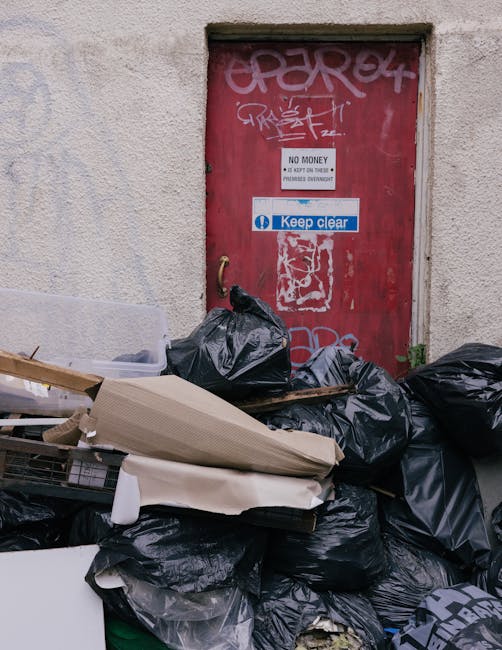
SW4 Cheap Rubbish Clearance Guide for Clapham Residents
If you live in SW4, you already know how quickly rubbish can pile up. A moving day, a flat refit, a garden tidy, or just one too many "I'll deal with that later" moments can leave you with bags, broken furniture, old appliances, and awkward bulky items taking over precious space. This SW4 Cheap Rubbish Clearance Guide for Clapham Residents is here to make the process clearer, calmer, and far less expensive than people often expect.
The goal is simple: help you clear waste without wasting money, time, or energy. We'll look at how rubbish clearance works in Clapham, what drives the cost, how to avoid common mistakes, and when a professional service is the smarter option. We'll also cover practical tips for flats, homes, gardens, garages, lofts, and business spaces, because let's face it, clutter rarely arrives in one neat category.
One thing people often underestimate is how much easier a well-planned clearance can be. A few smart decisions up front can turn a stressful job into something handled in a single visit. And if you need broader help with household or property clear-outs, it can be useful to compare options like home clearance, house clearance, or even flat clearance depending on the property type.
Table of Contents
- Why SW4 Cheap Rubbish Clearance Guide for Clapham Residents Matters
- How SW4 Cheap Rubbish Clearance Guide for Clapham Residents Works
- Key Benefits and Practical Advantages
- Who This Is For and When It Makes Sense
- Step-by-Step Guidance
- Expert Tips for Better Results
- Common Mistakes to Avoid
- Tools, Resources and Recommendations
- Law, Compliance, Standards, or Best Practice
- Options, Methods, or Comparison Table
- Case Study or Real-World Example
- Practical Checklist
- Conclusion
- Frequently Asked Questions
Why SW4 Cheap Rubbish Clearance Guide for Clapham Residents Matters
Clapham is busy, space is tight, and rubbish left sitting around tends to become a bigger issue than it first seems. A single sofa in a hallway can block access. A stack of renovation offcuts in a garden can make the whole place feel chaotic. In a flat, a few black bags left too long can create odour, pests, and tension with neighbours. Cheap rubbish clearance matters because it helps you regain space without overpaying for the privilege.
There's also the practical side. In SW4, many residents live in period conversions, basement flats, shared houses, or properties with narrow stairs and limited outside space. That changes how waste can be removed. If you choose the wrong approach, you can end up paying for multiple trips, carrying items yourself, or spending an entire weekend wrestling with a mattress nobody wants to see again. Truth be told, no one wants that sort of Sunday.
Cheap does not have to mean low quality. It usually means efficient planning, clear pricing, and a service that matches the job rather than overselling it. For example, a small load of mixed household junk may only need simple waste removal, while a larger property clear-out might be better handled through structured services such as waste removal or more specific solutions like furniture disposal.
Key takeaway: the cheapest rubbish clearance is rarely the one with the lowest headline price; it's the one that removes everything safely, efficiently, and in one properly planned visit.
How SW4 Cheap Rubbish Clearance Guide for Clapham Residents Works
At its core, rubbish clearance is straightforward: a team comes to your property, loads the waste, transports it away, and disposes of it responsibly. The detail matters, though. The price, timing, access, item type, and disposal route all affect the final experience. If you've never booked one before, it can feel a bit mysterious. It really shouldn't.
Most jobs start with an assessment of volume and access. Volume means how much waste there is. Access means whether items need to be carried down stairs, through tight hallways, across shared entrances, or from a rear garden with awkward side passage access. A well-run service will ask sensible questions before turning up, so there are fewer surprises on the day. That's a good sign, not an annoying one.
In practice, jobs in SW4 often fall into a few common categories:
- bagged household waste from decluttering
- bulky items such as wardrobes, beds, sofas, and desks
- mixed junk from lofts, garages, and basements
- garden cuttings, branches, soil, and outdoor debris
- builders' leftovers from light renovation or decorating
- office waste from moves, refurbishments, or storage clear-outs
For bigger or more specialised loads, it helps to choose the right service rather than treating everything as general rubbish. For example, renovation leftovers are better matched with builders waste clearance, while office moves often suit office clearance or business waste removal. That little bit of matching-up can save money and reduce confusion.
Many people assume they need a skip. Sometimes they do. Often they don't. If the rubbish is ready to go and the team can load it quickly, a man-and-van style clearance can be faster and more cost-effective, especially in Clapham where parking and access can be fiddly. Not always, but often enough to matter.
Key Benefits and Practical Advantages
The obvious benefit is saving money, but there's more to it than that. A good clearance service can reduce stress, save lifting effort, and prevent waste from lingering around your home or business longer than necessary. And if you've ever had a hallway full of old furniture during a heatwave, you'll know why speed matters.
- Lower overall cost: paying for the right-sized service usually beats making multiple DIY trips.
- Faster turnaround: one collection can remove a job that would otherwise take several hours or days.
- Less physical strain: no dragging heavy items down stairs or into a car that was never meant for that sort of punishment.
- Improved safety: fewer trips, fewer lifts, less chance of damage or injury.
- Better tidiness: the property becomes usable again much sooner.
- More responsible disposal: a professional service should sort and route items appropriately for recycling or recovery where possible.
There's also a psychological benefit people don't always mention. A cleared room feels different. Airier. Quieter. Less mentally cluttered. You notice the space itself again. That can make a surprisingly big difference, especially in smaller SW4 homes where every square metre counts.
If sustainability matters to you, it is sensible to ask how items are handled after collection. Services with a clear focus on recycling and sustainability can give you more confidence that waste is being dealt with in a responsible way, rather than just being moved out of sight.
Who This Is For and When It Makes Sense
This guide is for Clapham residents who want rubbish cleared cheaply, safely, and without fuss. That includes tenants, landlords, homeowners, flat owners, letting agents, office managers, and anyone staring at a pile of "why is this still here?" items in a spare room.
It makes sense if you are:
- moving out and need a fast clear-down
- decluttering a loft, garage, or understairs cupboard
- replacing furniture and need the old items taken away
- sorting out garden waste after a tidy-up
- dealing with renovation debris from a small project
- clearing a flat between tenancies
- preparing a property for sale, letting, or photos
- handling the build-up from an office move or business reorganisation
It may be less useful if you only have one or two items and can dispose of them through another planned route. But once clutter turns into a proper load, a professional collection often becomes the most straightforward answer. Especially if you are juggling work, family, or the lovely unpredictability of London parking restrictions. No one has time to spend all afternoon circling the block with a battered wardrobe in the back.
For specific clearances, a targeted service can be better than a broad one. A packed loft may suit loft clearance, a cluttered garage may need garage clearance, and overgrown outside waste is often best handled through garden clearance.
Step-by-Step Guidance
If you want the cheapest sensible result, planning matters. A little preparation can save real money. Here's a practical way to approach it.
- Sort the waste into rough groups. Separate general junk, furniture, green waste, and builder-type debris. This makes pricing easier and reduces confusion on the day.
- Measure or estimate the load. You do not need perfection, just a fair idea of volume. Think in terms of bags, items, or how much of a room is filled.
- Check access carefully. Narrow stairs, no lift, shared entrances, parking limitations, and rear access all matter. In SW4, these details can affect timing and labour.
- Remove personal items first. Drawer contents, paperwork, photographs, and valuables should be taken out before the collection. It sounds obvious, but people forget.
- Ask for a clear quote. Make sure the quote is based on the waste you actually have, not a vague guess that changes later.
- Confirm what's included. Loading, labour, transport, disposal, and VAT or other charges should be explained clearly.
- Prepare the area. Move waste to a single spot if you can do so safely. That cuts down on the time the team spends searching for loose items.
- Ask about recycling routes. Mixed waste often contains salvageable metal, wood, cardboard, or reusable furniture.
- Book a collection time that suits access. Early morning can sometimes be easier for parking and building access. Not always, but often enough.
- Keep the final paperwork or booking confirmation. It helps if you need to refer back to the job details later.
If you are clearing several rooms at once, it may be worth comparing a general property service such as home clearance with a more item-specific option like furniture clearance. The right choice depends on whether your waste is mostly mixed household clutter or a run of bulky items.
Expert Tips for Better Results
Here's the bit that tends to save people the most money: think in terms of load shape, not just load size. A van full of lightweight bags is not the same as a van containing one heavy wardrobe, a broken bed base, and several awkward bits of timber. Labour and access matter just as much as volume.
Another tip is to take photos before you book. Nothing fancy. A few clear shots of the waste pile, the stairwell, and the route to the exit can prevent misunderstandings. If you are sending images for a quote, include a wide angle and one closer shot. It sounds a bit excessive, but it really helps.
Try to group similar materials together if possible. Garden waste mixed with plasterboard, for example, is not the same as a pile of old boxes and one sofa. Mixed loads are common, of course, but the more you understand what you have, the better the quote tends to be.
One more thing: if a room is full, start at the edges. You often discover that half the "clutter" is actually a small number of large items plus a bunch of forgotten bags. Clear the obvious pieces first and the rest becomes easier. Funny how that works.
Practical experience also suggests this: do not wait until the waste becomes urgent. If you know you need clearance before a tenancy ends, a delivery arrives, or builders turn up, book early. Last-minute jobs can still be handled, but your options may be narrower.
Common Mistakes to Avoid
Most clearance problems are surprisingly avoidable. They usually come down to poor planning, unclear communication, or trying to save money in the wrong place.
- Underestimating the volume: a load that looks small in the corner can become a full collection once gathered together.
- Forgetting access issues: stairs, tight corners, and parking restrictions can all change how long the job takes.
- Leaving sorting until collection day: that slows everything down and can create extra charges.
- Mixing keepers with waste: especially in lofts and garages, this happens more than people like to admit.
- Choosing a service solely on the cheapest headline price: cheap up front can become expensive if hidden extras appear later.
- Not asking about restricted items: some waste types need special handling, so it is best to ask first.
- Ignoring sustainability: if you care where the waste goes, make that part of the conversation from the start.
One common Clapham-specific issue is access through shared halls or narrow staircases in converted buildings. If that sounds familiar, tell the provider early. It is much easier to plan for a narrow turn at the top of the stairs than to discover it with a sofa halfway down and everyone quietly stressed.
And yes, people do sometimes book a clearance, then keep adding items on the day. That can be fine if the provider is prepared for it, but it is better to be honest about the full pile from the outset. Saves everyone a bit of faff.
Tools, Resources and Recommendations
You do not need complicated tools to organise cheap rubbish clearance, but a few simple things make the job smoother. A tape measure, a phone camera, a marker pen, and a couple of heavy-duty bags can go a long way. If you are sorting a room, a couple of boxes for "keep", "donate", and "dispose" help keep the process under control.
For larger jobs, a basic room-by-room approach works well. Start with visible items, then move to storage areas, then hidden spaces such as cupboards, loft corners, under-bed storage, and the back of wardrobes. It sounds obvious, but the hidden spots are where the weird little forgotten items live.
Useful service pages to compare, depending on the job, include:
- furniture disposal for individual bulky items
- garage clearance for long-term storage spaces
- loft clearance for hard-to-reach storage
- builders waste clearance for refurbishment leftovers
- business waste removal for commercial premises
If you are unsure what service fits best, that is usually a sign to ask before booking. A little clarification at the start can prevent a lot of back-and-forth later on. For anything related to payment methods or booking security, it can also be sensible to review payment and security so you know what to expect.
Law, Compliance, Standards, or Best Practice
Rubbish clearance is not just about lifting and loading. Waste has to be handled responsibly, and reputable services should work in line with UK expectations for lawful disposal and duty of care. You do not need to know every technical detail, but you should expect waste to be taken somewhere appropriate, not simply dumped by the roadside. That part is non-negotiable.
In plain English, good practice means the following:
- items are collected safely without causing avoidable damage
- the provider is transparent about what they can and cannot take
- waste is sorted where practical for reuse, recycling, or recovery
- hazardous or restricted materials are handled carefully and not treated as ordinary rubbish
- the customer receives clear pricing and reasonable service terms
For residents, the biggest practical point is this: if you are disposing of waste from your home or business, you want confidence that the provider is operating properly. That is where company information such as about us, insurance and safety, and health and safety policy can help build trust. It is not about paperwork for paperwork's sake. It is about knowing the job is being handled with care.
If something goes wrong, sensible providers should also have a clear process in place. Reading complaints procedure and the terms and conditions before you book is not glamorous, admittedly, but it can save hassle later.
Options, Methods, or Comparison Table
Different rubbish clearance methods suit different jobs. Choosing the wrong one is how costs creep up. The table below gives a simple way to compare the most common options for Clapham residents.
| Method | Best for | Typical strengths | Potential drawbacks |
|---|---|---|---|
| DIY trips to the tip | Very small loads | Can be cheap if you already have transport | Time-consuming, physically demanding, parking and loading hassle |
| Skip hire | Longer projects with steady waste output | Good for ongoing renovations | Needs space, permits may be needed, can be costly if underused |
| Man-and-van style clearance | Mixed household waste, bulky items, fast removals | Quick, flexible, often better for tight access | Price depends on volume and labour, so clear quoting matters |
| Specialist clearance service | Furniture, lofts, garages, gardens, offices, builders' waste | More tailored, often more efficient | Needs the right service match |
For many SW4 homes and flats, a tailored clearance service is the sweet spot. It avoids the overhead of a skip, cuts down the number of trips, and works better where parking is limited. If your waste is mainly old sofas, tables, and mattresses, a furniture-focused option can be more efficient than a general all-purpose collection. If your waste is mostly outdoor cuttings and soil, a garden-specific approach makes more sense.
Case Study or Real-World Example
Picture a typical Clapham flat on a Friday afternoon. The resident is moving out on Monday. There is a broken bed frame in one bedroom, two chairless dining chairs in the hall, a pile of cardboard from new purchases, and an old desk in the corner that has somehow become a storage shelf. In the kitchen, there are a few bagged odds and ends that never made it into the packing boxes. Nothing dramatic, but enough to make the place feel cramped and stressful.
The resident sorts the items into one area, sends a few photos, and asks for a quote based on the actual volume. The provider confirms access via a first-floor stairwell and checks whether parking will be available nearby. On collection day, the team arrives with the right vehicle size, removes everything in one visit, and clears the room before the evening. The flat suddenly looks bigger. Quieter, even. And the move feels manageable again.
That's the sort of job where a cheap rubbish clearance guide really pays off. Not because everything was the lowest possible cost, but because the resident avoided wasted effort, awkward delays, and multiple trips. Small job. Big relief.
Practical Checklist
Use this checklist before you book a clearance in SW4:
- Have I sorted the waste into rough categories?
- Do I know whether it is general rubbish, furniture, garden waste, or builders' debris?
- Have I checked access, stairs, lifts, and parking?
- Have I removed valuables, documents, and items I want to keep?
- Do I have a realistic idea of the volume?
- Have I taken photos for reference?
- Have I asked for a clear quote with no vague extras?
- Do I understand what is included in the service?
- Have I asked how the waste will be handled after collection?
- Do I have a booking confirmation and contact details saved?
If you can tick most of those off, you are in good shape. Seriously, that is half the battle. The more prepared you are, the smoother the job tends to be.
Get a free quote today and see how much you can save.
Conclusion
Cheap rubbish clearance in SW4 is not about cutting corners. It is about making sensible choices: matching the service to the job, being honest about the amount of waste, and planning for access before collection day arrives. For Clapham residents, that usually means less stress, fewer surprises, and a much better use of money and time.
Whether you are clearing a flat, a family home, a garage, a loft, or a small business space, the right approach can make a messy job feel surprisingly straightforward. And once the last bag is gone and the room opens up again, you do notice it. You really do.
If you want the process handled properly, choose a service that is transparent about pricing, careful about safety, and clear about disposal. That way, you are not just getting rid of rubbish. You are getting your space back, which is the bit people usually care about most.
Frequently Asked Questions
How do I find cheap rubbish clearance in SW4 without getting stung on price?
Ask for a clear quote based on the actual waste, not a rough promise over the phone. Photos help, access details matter, and you should always check what is included. The cheapest fair quote is usually the one with the fewest surprises.
Is rubbish clearance cheaper than hiring a skip in Clapham?
Often, yes, especially for mixed household waste, furniture, or small-to-medium loads. A clearance service can be more efficient in tight-access areas where skip hire would be awkward or require extra logistics.
What types of waste can usually be collected?
Common collections include household clutter, furniture, garden waste, office waste, and builders' debris. Some items may need special handling, so it is always best to ask before booking.
Can I get a cheap rubbish clearance for a flat with stairs?
Yes. Many SW4 properties have stair-only access, and good providers will factor that in from the start. Be honest about the stairs so the job is priced and planned properly.
Do I need to sort everything before the collection?
You do not need to make it perfect, but basic sorting helps. Put items in one place if it is safe to do so, and separate anything you want to keep. That saves time and can help keep costs down.
Is same-day rubbish clearance possible?
Sometimes it is, depending on availability and the size of the job. Smaller or more urgent clearances are often easier to fit in, but it is still better to book ahead where you can.
How do I know if a clearance service is trustworthy?
Look for clear pricing, sensible questions about access and waste type, and straightforward information about safety, insurance, and service terms. Trustworthy providers tend to be organised rather than vague.
What should I do with furniture I no longer want?
If it is still usable, think about whether it should be removed as part of a dedicated furniture service rather than general rubbish. For worn or broken items, furniture clearance or furniture disposal may be the better fit.
Can rubbish clearance help with garden waste too?
Yes, especially after pruning, landscaping, or a seasonal tidy-up. Garden waste is often collected separately or as part of a broader clearance, depending on the load.
What should I check before booking a clearance?
Check the waste type, volume, access, parking, and any items that need special handling. It is also sensible to review the provider's pricing and service terms so you know exactly what you are paying for.
Is recycling important in cheap rubbish clearance?
Very. A cheap service should still handle waste responsibly. Ask how items are sorted and whether reusable or recyclable materials are separated where practical. Good value and good practice should sit together.
What if I have a mixed load of junk, furniture, and renovation waste?
That is common. The best option is usually to describe everything clearly and let the provider recommend the most suitable approach. Mixed loads can be handled efficiently, but only if they are understood properly from the start.
For Clapham residents, the best rubbish clearance jobs are the ones that feel calm, not chaotic. A little planning goes a long way, and once the clutter is gone, the difference is oddly uplifting.